Picture yourself in ancient Rome, where farmers celebrate a bountiful harvest under the August sun. Or imagine joining a lively procession in a charming Italian village. This is Ferragosto, Italy’s iconic summer holiday celebrated every August 15th!
As a language student, diving into the origin and etymology of Ferragosto will not only boost your Italian vocabulary, but also connect you to Italy’s vibrant history and culture.
In this engaging guide, we’ll explore how Ferragosto was born, trace the linguistic journey of its name. And we’ll share practical tips to help you talk about this tradition like a native. Get ready to uncover the fascinating story of Ferragosto and why it’s a must-know for your Italian studies!
The Story of Ferragosto
1. What Is Ferragosto?
For you, language students, Ferragosto is more than just a holiday — it’s a gateway to mastering Italian culture and language.
Held on August 15th, Ferragosto is Italy’s biggest summer celebration. It blends the Catholic Feast of the Assumption of the Virgin Mary with beach parties, family feasts, and fireworks.
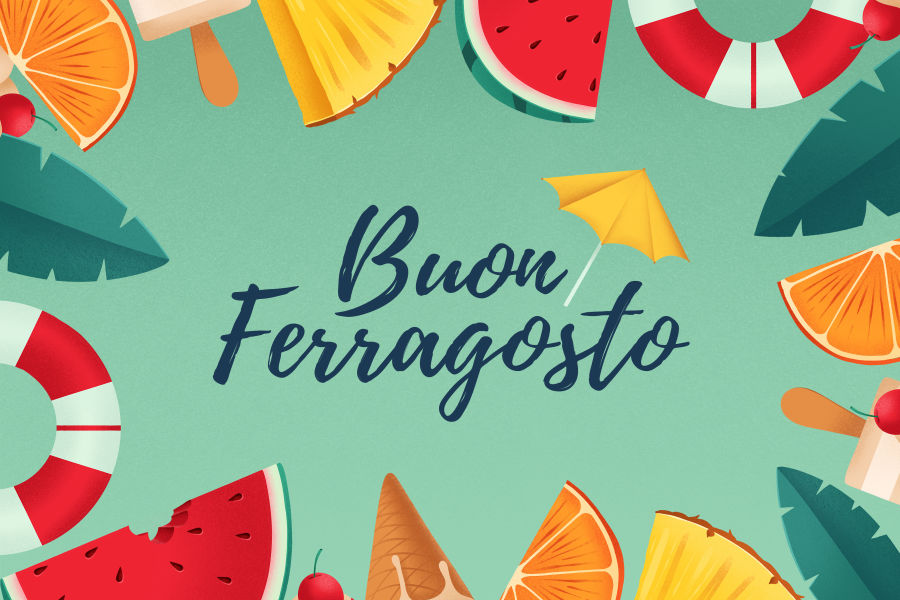
Its roots stretch back over 2,000 years, making it a perfect topic to deepen your understanding of Italian history and impress your teachers or conversation partners.
Let’s travel through time to see how Ferragosto began and how its name evolved!
2. The Ancient Roman Roots of Ferragosto
The story of Ferragosto starts in 18 BCE with Emperor Augustus, Rome’s first emperor and a master of legacy-building. The holiday’s name comes from the Latin Feriae Augusti, meaning “Holidays of Augustus.”
Here’s how it all began:
- A Time for Rest and Revelry: In ancient Rome, August marked the end of the harvest season. After months of hard work in the fields, farmers, laborers, and even oxen got a break. During the Feriae Augusti, animals were adorned with flower garlands, and communities gathered for feasts, games, and chariot races. Picture the excitement of Rome’s Circus Maximus buzzing with celebration!
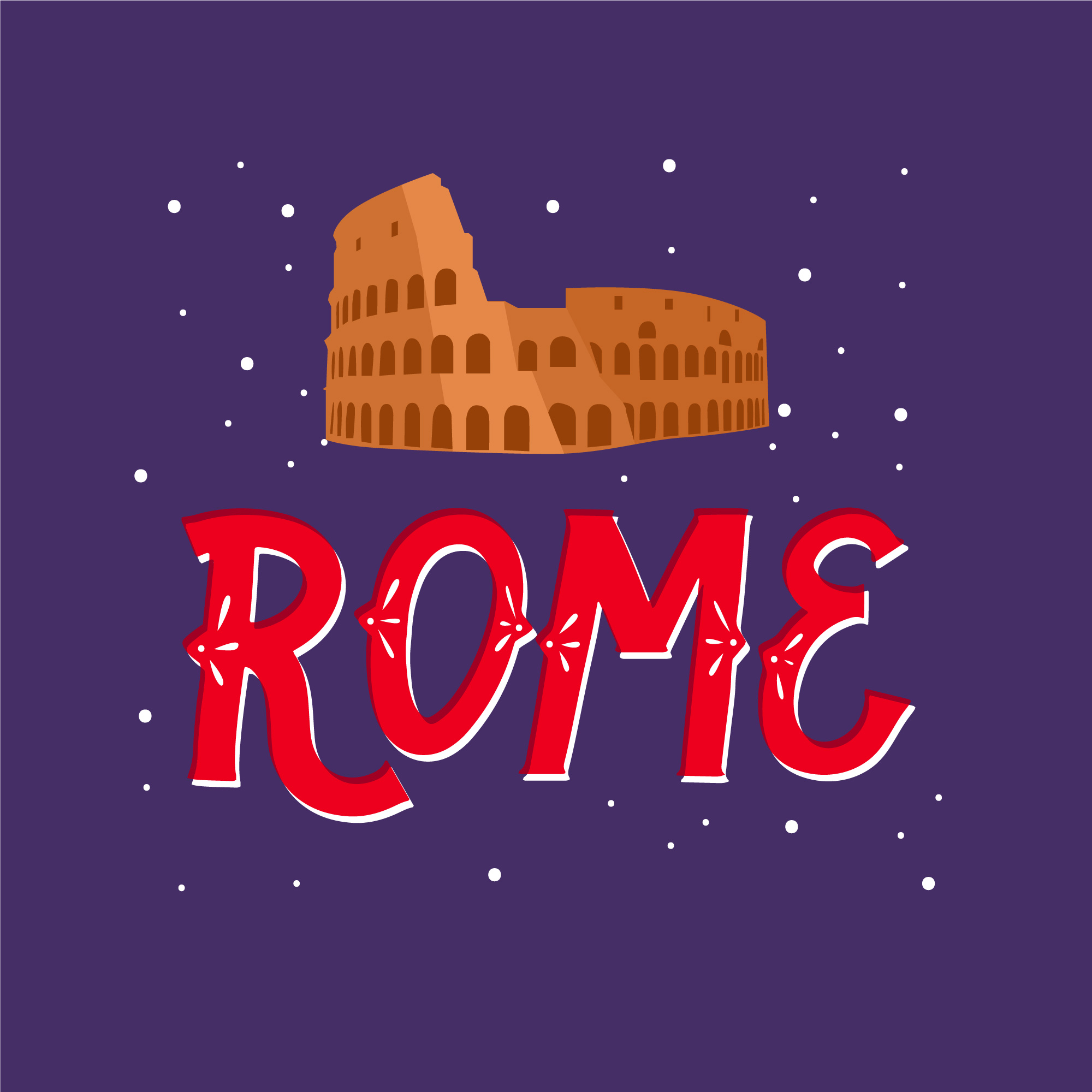
- Honoring Pagan Gods: The festival incorporated existing Roman rituals, like the Consualia for Consus, the god of stored grain, and the Nemoralia for Diana, goddess of the moon and hunt. Torchlight processions to Diana’s temple at Lake Nemi and mule races were highlights. Modern events like Siena’s Palio dell’Assunta (August 16th) echo these ancient traditions.
- Augustus’ Political Brilliance: By naming the holiday and the month of August (previously Sextilis) after himself, Augustus strengthened his image and united the Roman Empire. The Feriae Augusti was a celebration of the Pax Romana (Roman Peace) and his leadership.
For your studies: Learn phrases like Feriae Augusti to discuss Ferragosto’s Roman origins. Or practice saying “Buon Ferragosto!” (Happy Ferragosto!) to wish others well.
Try using “Il Ferragosto nasce con Augusto” (Ferragosto was born with Augustus) in class to show off your historical knowledge!
3. The Christian Transformation of Ferragosto
As Christianity spread across the Roman Empire, the Catholic Church reshaped Ferragosto, aligning it with the Feast of the Assumption of the Virgin Mary, which celebrates Mary’s bodily ascent into heaven. This transformation, starting around the 7th century, is a classic example of cultural syncretism:
- Symbolic Connections: The Nemoralia’s lunar imagery, tied to Diana, mirrored depictions of Mary as the “Queen of Heaven,” often shown with a crescent moon. Choosing August 15th for the Assumption helped Christianize a popular pagan festival.
- Medieval Traditions: By the Middle Ages, Ferragosto was a major religious event. Towns held solemn Masses and processions, carrying statues of Mary through streets or to the sea, especially in southern Italy like Sicily and Calabria. In Rome, the Basilica of Santa Maria Maggiore became a key site for Ferragosto celebrations.
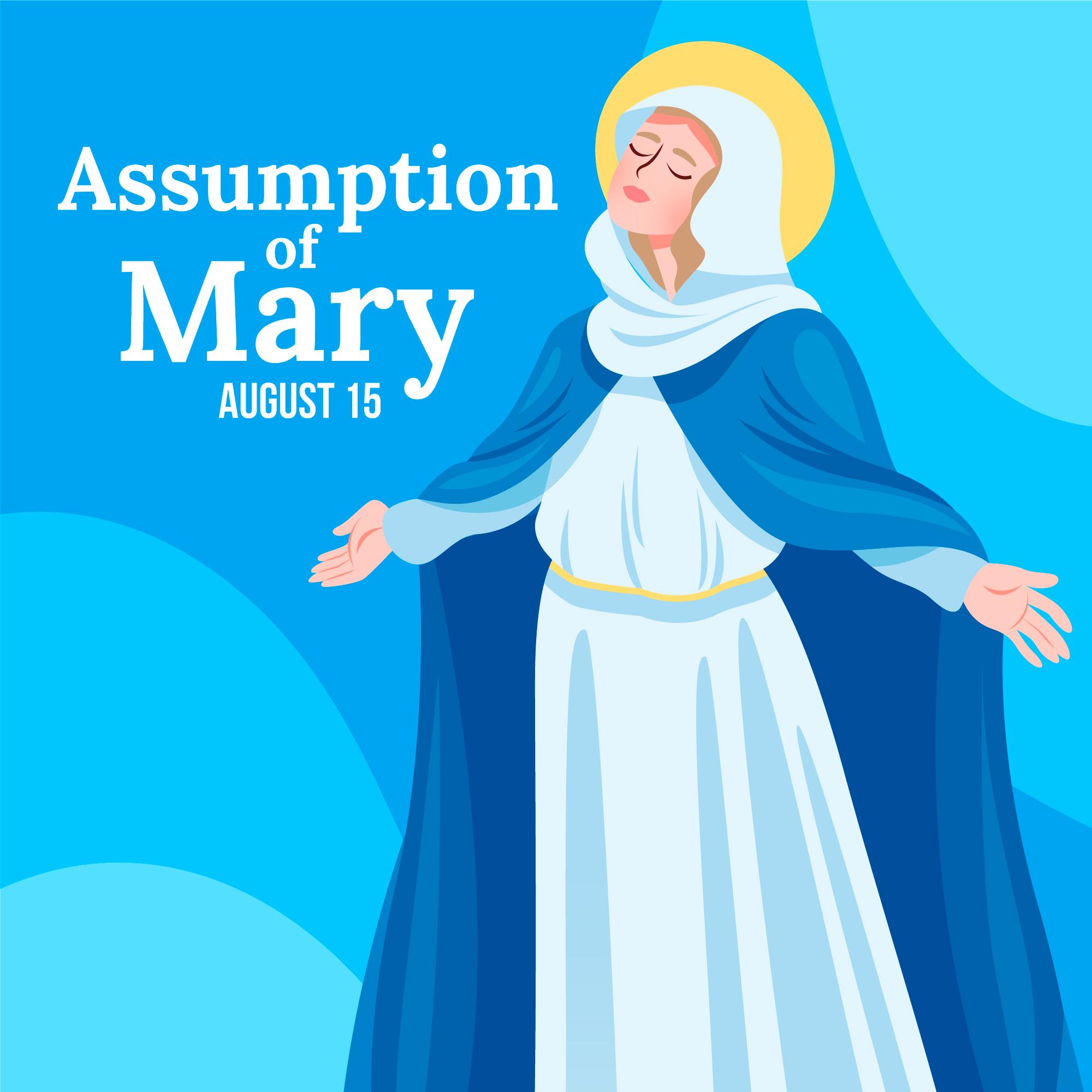
- Blending Sacred and Secular: The communal feasts and gatherings of the Feriae Augusti continued, now honoring Mary. This mix of pagan festivity and Christian devotion makes Ferragosto unique.
For your studies: Add words like Assunzione (Assumption), processione (procession), or messa (Mass) to your vocabulary to describe Ferragosto’s religious side.
Practice sentences like “Vado alla messa di Ferragosto” (I’m going to the Ferragosto Mass) to talk about the holiday’s traditions.
4. The Modern Evolution of Ferragosto
In the 20th century, Ferragosto became Italy’s ultimate summer holiday, thanks to a modern twist during the Fascist era (1922–1943):
- Treni Popolari: The Fascist regime introduced treni popolari (subsidized trains), allowing workers to travel to the coast or countryside. This sparked the tradition of the esodo estivo (summer exodus), where cities like Rome and Milan empty out as Italians head to beaches or mountains.

- A National Symbol: The regime linked Ferragosto to Roman glory, but also made vacations accessible to all, cementing its role as a summer highlight. Today, Ferragosto is synonymous with chiusura per ferie (holiday closures). Businesses shut down and Italians flock to places like Amalfi, Sardinia, or the Dolomites.
For your studies: Learn terms like esodo estivo or chiusura per ferie to talk about Ferragosto’s modern vibe.
Try saying “A Ferragosto, gli italiani vanno al mare” (At Ferragosto, Italians go to the beach) to practice describing the holiday.
5. The Etymology of Ferragosto: A Linguistic Gem
Ever wondered where the word Ferragosto comes from? Its etymology is a linguistic treasure that connects you to ancient Rome. Let’s break it down:
- From Latin to Italian: Ferragosto derives from Feriae Augusti:
-
- Feriae: Latin for “holidays” or “days of rest,” possibly from a Proto-Indo-European root dʰeh₁-
meaning “to do” or “to set aside.” It referred to sacred or communal celebrations. - Augusti: The genitive form of Augustus, meaning “of Augustus,” from augere (to increase, to augment). This root, from Proto-Indo-European h₂ewg-, implies growth or enhancement, reflecting Augustus’ divine and imperial stature. It ties to the emperor and the month of August.
- Feriae: Latin for “holidays” or “days of rest,” possibly from a Proto-Indo-European root dʰeh₁-

- Phonetic Journey: As Latin evolved into Italian via Vulgar Latin, Feriae Augusti transformed:
-
- Feriae became ferra-, losing the intervocalic -i- and gaining a double r for phonetic emphasis, a common Italian trait.
- Augusti simplified to -agosto, aligning with the Italian word for August (agosto), as the diphthong au became a.
- Through univerbation (merging two words into one), the phrase became Ferragosto by the Middle Ages, as seen in early Italian texts.
- A Unique Name: Unlike other Christian holidays like Pasqua (from Pascha, Easter) or Natale (from Natalis, Christmas), Ferragosto preserves its imperial Roman name, making it a linguistic link to Augustus.
For your studies: Use Ferragosto in sentences to practice pronunciation (fer-rah-GOS-toh) and learn related words like agosto (August) or festa (party, holiday).
Try saying “Il nome Ferragosto viene dal latino” (The name Ferragosto comes from Latin) to discuss its etymology.
6. Why Ferragosto’s Origins Matter to You
As a language student or a language enthusiast, understanding the origin and etymology of Ferragosto is a powerful tool for your Italian journey. Here’s why it’s useful:
- Boost Your Vocabulary: Terms like Feriae Augusti, Assunzione, and esodo estivo enrich your Italian lexicon, helping you speak with confidence about cultural topics.
- Cultural Fluency: Knowing Ferragosto’s Roman and Christian roots lets you discuss it like a native, whether in class, with language partners, or during travels in Italy.
- Conversation Starters: Share fun facts about Ferragosto’s history, like its link to Augustus or the treni popolari. to spark engaging discussions with Italians.
- Travel Prep: If you’re planning to visit Italy for Ferragosto (next on August 15, 2026), understanding its origins enhances your experience, from joining processions to appreciating local traditions.
7. How to Connect with Ferragosto’s History
Want to bring Ferragosto’s story into your Italian studies? Here are practical ways to engage with its origins:
- Learn Key Phrases: Practice saying “Buon Ferragosto!” (Happy Ferragosto!), or “Il Ferragosto ha origini romane” (Ferragosto has Roman origins) to use in conversations or essays.
- Visit Historic Sites: If you’re in Italy, explore Rome’s Circus Maximus, where Feriae Augusti races happened, or attend a Ferragosto Mass at the Basilica of Santa Maria Maggiore. These connect you to the holiday’s roots.

- Attend the Palio: If you’re near Siena, catch the Palio dell’Assunta (August 16th), a horse race tied to Ferragosto’s Roman legacy. Book tickets early—it’s a cultural gem!
- Join Processions: In southern towns like Palermo, participate in Assumption processions to experience Ferragosto’s religious side. Learn phrases like “Vado alla processione” (I’m going to the procession) to describe your plans.
- Study from Home: Read about Roman festivals in texts like Ovid’s Fasti (in translation or in Italian), or watch documentaries on Augustus to deepen your understanding.
8. Practical Tips for Ferragosto 2026
Planning to experience Ferragosto in Italy on August 15, 2026? Here are tips to connect with its history while practicing Italian:
- Book Early: Ferragosto is peak season. Reserve hotels or event tickets (like the Palio) via platforms like Booking.com or Trenitalia well in advance.

- Learn Local Terms: In coastal areas, practice words like spiaggia (beach) or fuochi d’artificio (fireworks). In religious settings, use messa or Assunzione.
- Expect Closures: Cities may have chiusura per ferie. Use this to explore quiet sites like Pompeii, or join coastal festivities in places like Amalfi.
- Stay Cool: August is hot (often 30°C/86°F). So pack abbigliamento leggero (light clothing). And stay hydrated while enjoying Ferragosto events!
8. Final Thoughts: Ferragosto’s Timeless Legacy
Ferragosto is a cultural bridge from ancient Rome to modern Italy, born as the Feriae Augusti under Emperor Augustus, reshaped by the Assumption of Mary, and transformed into a summer celebration by 20th-century innovations. Its name, evolving from Latin Feriae Augusti to Italian Ferragosto, carries this 2,000-year story in a single word.
For you, language students and enthusiasts, Ferragosto is a chance to enrich your Italian skills, connect with Italy’s heritage, and shine in conversations or travels.

Ready to embrace Ferragosto in 2026? Practice its vocabulary, share its history, and maybe even plan a trip to experience it firsthand.
Have you used Ferragosto in your Italian studies, or are you inspired to learn more? Let’s keep the Ferragosto spirit alive!
Buon Ferragosto! 😊
This article was all about Italy’s summer holiday Ferragosto, its meaning, and origin.
All the images included in the article were designed by Freepik.
Hungry for more Italian culture and language? Explore our articles on Abeona and Adeona, vacanze and ferie, or Italian language learning for further linguistic adventures!